
"historic coffee production"
2000 article(s) found

What is the historical origin of Melita filter cup | brief introduction and understanding of Melita filter cup
Professional coffee knowledge exchange more coffee bean information Please pay attention to the coffee workshop (Wechat official account cafe_style) Coffee is an art of making use of various senses: the temperature of the cup, the aroma, taste, and visual enjoyment of the coffee. Visual enjoyment can be a latte, a way and equipment for making coffee by hand, or the focus of a barista. Compared to the popular espresso (

What is the introduction of Rwandan coffee varieties? flavor description treatment method planting historical manor information
Professional baristas please pay attention to the coffee workshop (Wechat official account cafe_style) Bourbon accounts for more than 90% of Rwanda's production. A small number of farmers grow bourbon variants BM-139 and Jackson. There are more mountains in the south and west, and washing stations are also famous. For example, Gitesi, Huye Mountain, Mibirizi, etc. Stone is common in Central America.

Historical description of Coffee Bean Coffee Manor in Costa Rica
Professional baristas Please follow the Coffee Workshop (official Wechat account cafe_style) Costa Rican coffee with full grains, ideal acidity and unique strong flavor Tarrazu of Costa Rica is one of the major coffee producers in the world, with a light and pure flavor and pleasant aroma. The volcanic soil of Costa Rica is very fertile and has good drainage.

Introduction to the Historical Flavor description of Ice drop Coffee and the Grinding scale of Cultural varieties
Introduction to the grinding scale of ice drop coffee historical flavor description culture variety 1. First close the droplet adjustment valve 2. Pour the right amount of cold drinking water into the water bottle according to the number of users, and add the right amount of ice to make iced coffee. The standard water quantity for one person is about 120CC 3. Wet the filter cloth filter with water, then put it into the coffee powder cup 4. Put the right amount of coffee powder into the coffee powder cup, standard amount for one person.

The Historical Development of Coffee in the World
Sixth century Ethiopian shepherds found red coffee fruit 11th century Arab merchants spread coffee to Europe in the 13th century Arab-centered Islam drank coffee by roasting and grinding raw beans in 1529 the Viennese Franz Geora Kolschitzky established the first coffee shop in Europe, he also opened the atmosphere of drinking coffee with milk 15

The Historical Story of the Origin of the name mandheling Coffee from Indonesia
Manning is not the name of the producing area, the place name, the port name, nor the name of the coffee breed. How did it get its name? In fact, it is a phonetic error of the mandheling people in Mandaining, Indonesia. During the Japanese occupation of Indonesia during World War II, a Japanese soldier drank mellow coffee in a cafe.

The Origin of Manning Coffee the Historical reason of Manning Coffee how Manning Coffee was produced
The gentleman in coffee, Sumatra Manning, is a fine coffee bean growing in the plateau and mountain area at an altitude of 750-1500 meters. In the 17th century, the Dutch first introduced Arabica saplings to Ceylon (present-day Sri Lanka) and Indonesia. In 1877, a large-scale disaster hit the Indonesian islands. Coffee rust destroyed almost all the coffee trees and people had to give up.

Introduction to the Flavor characteristics of Historical stories about the cultivation of Yauco Yaoke Coffee in Puerto Rico Coffee producing area
Professional coffee knowledge exchange more coffee bean information please follow the coffee workshop (Wechat official account cafe_style) the whole history of coffee in the Caribbean has a lot to do with the Spanish reclamation, coffee was not so important in the 18th century, the main work was to grow sugar-producing crops in the fertile valleys, and the French were in turmoil in early 19th century (1800).

Introduction to the Historical Flavor and Flavor of Sinotega Jinotega Coffee in four Coffee producing areas of Nicaragua
Professional coffee knowledge exchange more coffee bean information please pay attention to the coffee workshop (Wechat official account cafe_style) Nicaraguan coffee is not well-known in China in recent years, in addition to the traditional high-altitude typical tree species like beans (Maragogype) and Java tree beans, general coffee lovers seldom mention him, in fact, the growing conditions of Nicaraguan coffee

Introduction to the historical origin of the name of Jamaica Blue Mountain Coffee Valenford Manor
The name of Blue Mountain Coffee generally comes from coffee beans grown at low altitudes and other areas, and can only be called Jamaican mountain beans or Jamaican water-washed beans. Compared with the Jamaican Blue Mountains, the flavor is very different, but, these producing areas are twice the size of the real Blue Mountain area, and the output accounts for 75% of the country's output, so when you buy Jamaican coffee, don't think you bought Blue Mountain Coffee. Due to the purchase of teeth

Introduction to the Historical Flavor and Flavor of Segovia Segovia Coffee in four Coffee producing areas of Nicaragua
Professional coffee knowledge exchange more coffee bean information Please pay attention to the coffee workshop (Wechat official account cafe_style) excellent Nicaraguan coffee is among the highest in the world, it is mild and delicious, moderate particles, very fragrant. In many countries, coffee production has been seriously affected for political reasons. Nicaraguan coffee industry is no exception. The 1979 revolution led to the cultivation of coffee

Introduction to the Historical Taste of Blue Mountain Coffee
The secret of why Blue Mountain coffee tastes pure: their coffee trees are all grown on rugged hillsides, and the picking process is so difficult that non-local skilled female workers are simply unable to do it. It is very important to choose the right ripe coffee beans when picking. Immaturity or ripeness will affect the quality of the coffee. The picked coffee beans are shelled on the same day, and then let them ferment for 1218 hours.

The Historical Story of the Origin of Malawi Rosa Malawi Geisha Coffee flavor characteristics of Malawi Rosa coffee
Professional coffee knowledge exchange more coffee bean information Please follow the coffee workshop (Wechat official account cafe_style) the warmly welcomed Geisha variety is full of fruit aroma, rich and round oil, with a hint of raisin in the finish, it is an excellent and worthwhile bean. The hot Rosa coffee beans, which have always been expensive, are now replanted in the high mountains of Malawi.

A brief introduction to the historical development of coffee background in Diamond Hill Manor in Costa Rica
Tarrazu in Costa Rica is one of the major coffee producing areas in the world. The coffee produced is light and pure in flavor and pleasant in aroma. Costa Rica, with its fertile volcanic soil and good drainage, is the first country in Central America to grow coffee and bananas for commercial value. Coffee and bananas are the country's main exports. In 1729, coffee was introduced from Cuba to Goth.

The planting situation of Fine Coffee in Spring Manor in Colombia Historical Variety Market Environment Climate Sea
Arabica species (scientific name Coffee Arabica) have to be mentioned in Colombian coffee species. Arabica coffee trees grow between 900m and 2000 m above sea level; they are hardy, and the suitable growth temperature is 1524 ℃; they need more humidity, and the annual rainfall is not less than 1500 ml. At the same time, they also require higher cultivation techniques and conditions. So now you can understand.

Why are Kenyan coffee beans all red? Historical Story and auction Department of Coffee cultivation and production in Kenya
How beans are processed: a specific agreement has been established during the processing of beans in Kenya, which can produce reliable and high-quality products, all processed by wet process. this tends to produce cleaner, brighter, more fruity cups. Kenyan coffee is mostly red because only fully mature red is selected during the picking process.

Costa Rica's historical coffee industry develops coffee bean export volume
Costa Rica lies between the Pacific Ocean and the Atlantic Ocean, with Nicaragua in the south and Panama in the north. Flowers bloom and butterflies dance all the year round. Its coffee beans are famous for their mild taste, high acidity, aroma and rich texture, so they are favored by coffee tasters. It is said that in 1779, Spanish navigator Navarro brought coffee seeds from Cuba to

Characteristics of Luzhou Coffee Development Direction of planting Historical Coffee producing areas in Shandong Province
With regard to coffee producing areas around the world, after the third wave of boutique coffee, the development of each producing area is not quite the same. For example, Ethiopia's diversified development direction, Panama is led by geisha / Rosa Ming and then refined sun treatment. We began to pay attention to and predict the traditional coffee producing country Colombia several years ago, because of its changeable
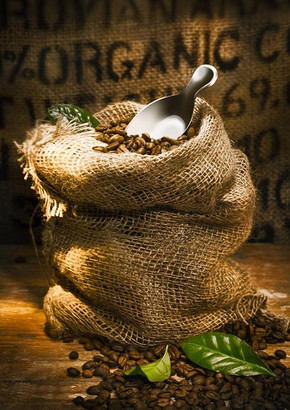
Panamanian Flower Butterfly Coffee Bean production region species and names Historical Origin resume
Following Ka Pai (Wechat official account vdailycom) found that the Beautiful Caf é opened a small shop of its own since early on, the Panamanian coffee industry has relied on the skilled hands of the Ngbe-Bugl Ngabe-Burger Panamanian Native Indians that have been migrating from their home in Mount comarca to work on the Baru Volcano Coffee Farm. Ngbe-Bugl Ngabe and Burger

Introduction to the handling of coffee beans in Yemen, the source of the historical story of coffee in Yemen
Professional coffee knowledge exchange more coffee bean information please follow Coffee Workshop (Wechat official account cafe_style) 01 | brief introduction of producing areas * History of Yemen * Yemen is famous for its frankincense or spice trade and is the origin of the earliest coffee mocha in the world. If you follow before, this is also the place where Noah built the ark in the Bible. Legend has it that 3000 years ago, with gold and spices,